Making Poverty a Crime
Scroll for moreThe American judicial system has increasingly punished people for being poor.
The American judicial system has increasingly punished people for being poor. Although it is illegal to jail someone for being indigent, courts across the country regularly do just that, both before trial, when a person is presumed innocent, and after trial, when a person is unable to pay criminal fines and fees.
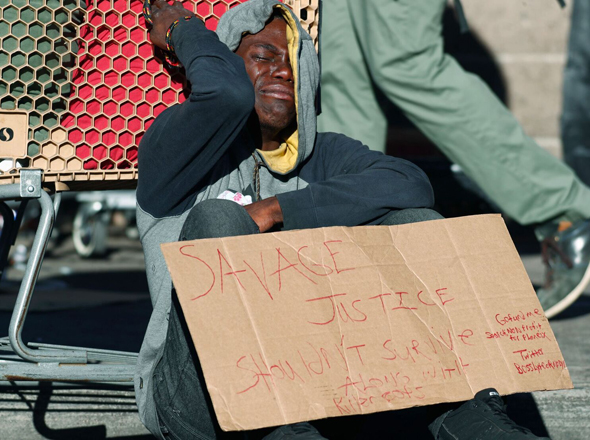
Photo: AP Photo/David Zalubowski
Under American law, every person accused of a crime is presumed innocent. Historically, pretrial incarceration was intended only for the few people determined to be a danger to society or likely to flee. In recent years, however, the number of people confined prior to conviction has reached a new high. On any given day in America, over 700,000 people are held in jail, two-thirds of whom are awaiting trial. Much of this increase can be explained by the fact that the average amount set for bail has more than doubled in the past 30 years.
Even low bail amounts, such as $250, can be too much for individuals without a job. Working families living paycheck-to-paycheck may be forced to choose between paying rent or posting bail for a loved one. The consequences of high rates of pretrial detention are dire for those detained. Pretrial detention, even for just 24 hours, can interfere with employment, housing, and care-giving, and can inflict extraordinary psychological damage. The realities of pretrial detention create a strong incentive for pretrial detainees to plead guilty regardless of their guilt or innocence.
After being misidentified and wrongfully implicated for stealing a backpack, Kalief Browder, a Black 16-year-old, was arrested in 2010. His bail was set at $3,000, a sum that his family could not afford. Rejecting countless offers to plead guilty, he spent three years at the New York City Jail on Rikers Island; for two of those years, he was in solitary confinement. When he was finally released, he described being “robbed of his happiness” and was deeply traumatized. In 2015, Kalief Browder committed suicide by hanging himself from an air conditioning unit outside his bedroom window.
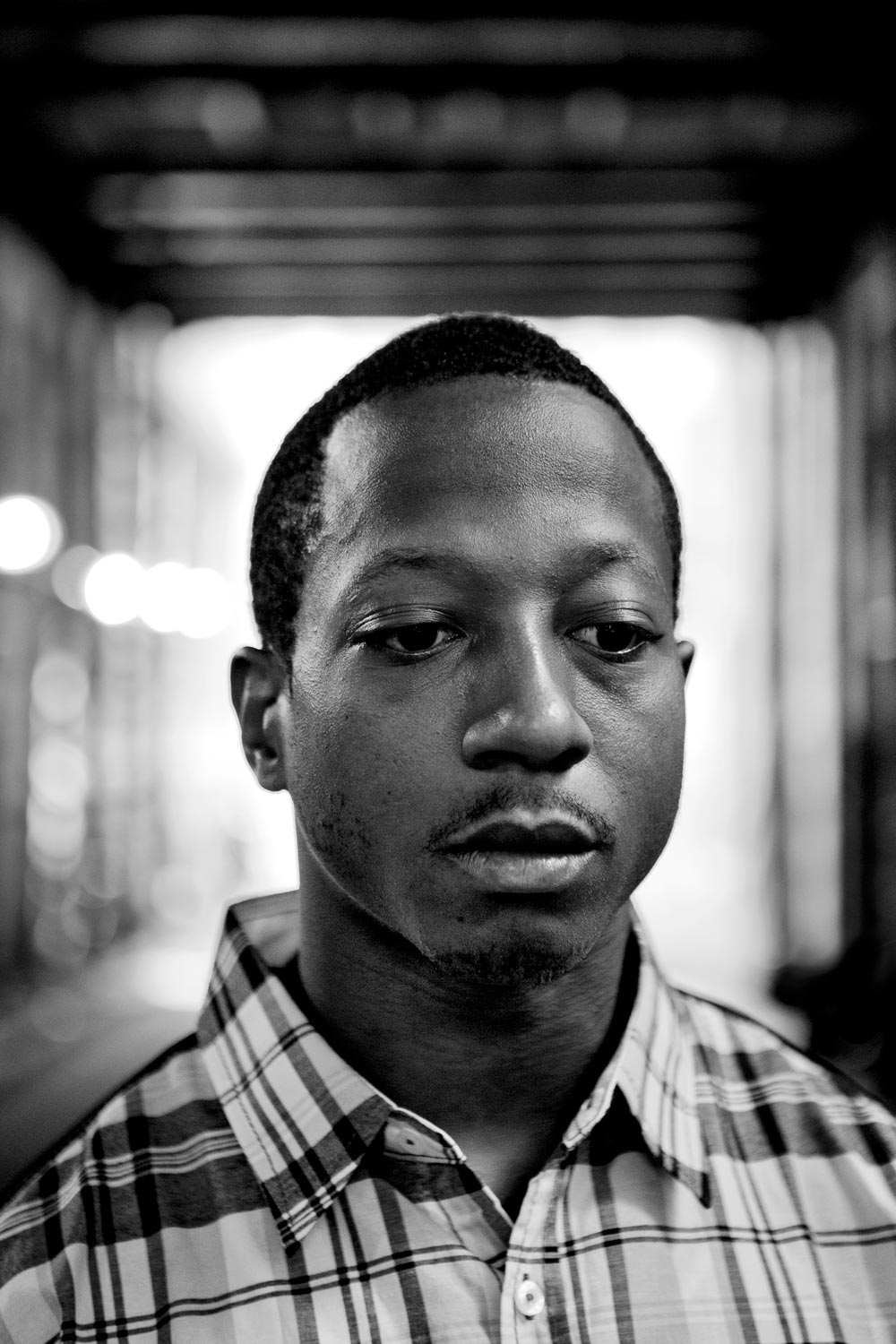
Beginning at age 16, Kalief Browder was imprisoned on Rikers Island for three years without being convicted of a crime.
Photo: Zachary Gross Photography